The world is undergoing a significant transformation in energy storage technology. Recent advancements are paving the way for more efficient and sustainable solutions. These innovations address critical challenges in energy management and climate change. Understanding the latest innovations in energy storage is essential for both consumers and industry leaders.
The shift towards renewable energy sources has prompted new developments. This progress includes various technologies such as solid-state batteries, advanced supercapacitors, and flow battery systems. Each innovation aims to optimize energy use and enhance efficiency. However, some of these technologies still face limitations. Issues like cost and scalability need careful consideration.
Evaluating these latest innovations in energy storage provides valuable insights. It highlights the commitment to reducing carbon footprints and improving energy reliability. The journey is not without bumps, but continuous research is crucial. As demand for energy storage grows, staying informed is vital for informed decision-making. Embracing these changes is essential for a sustainable future.
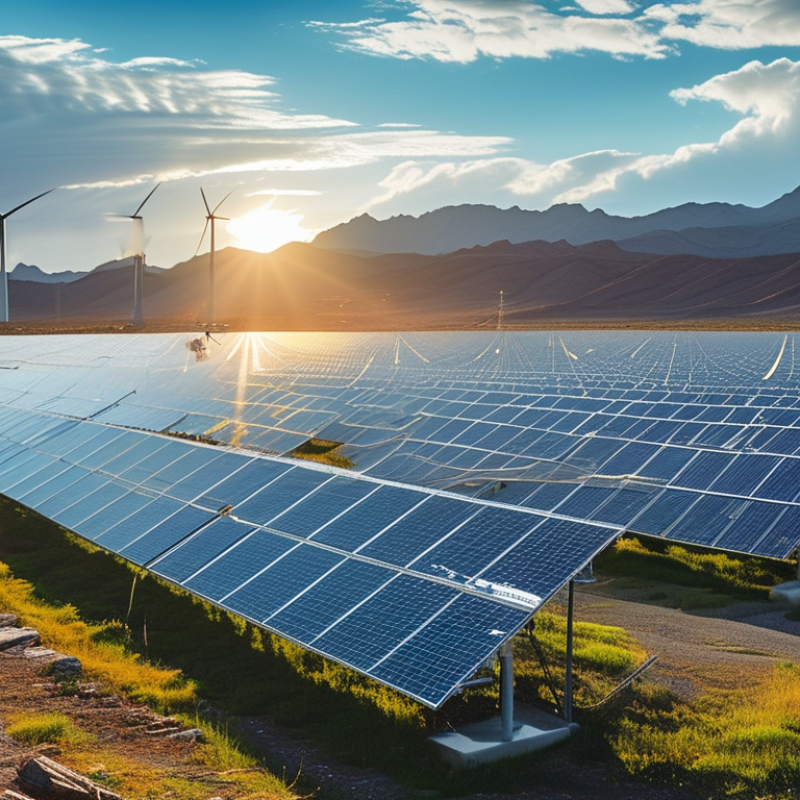
Overview of Energy Storage Technology Innovations
Energy storage technology has seen remarkable innovations recently. These advancements are crucial for integrating renewable energy sources into the grid. A report by the International Energy Agency (IEA) noted that energy storage capacity is projected to exceed 500 GW globally by 2030. This growth reflects the increasing demand for reliable energy solutions.
One significant innovation is solid-state batteries. They promise higher energy density than lithium-ion counterparts. According to BloombergNEF, solid-state batteries could reduce costs by 30% in the coming years. This could make electric vehicles more affordable. Another notable development is the rise of flow batteries. These systems are designed for long-duration storage, which is vital for balancing supply and demand.
Yet, challenges remain. High costs and scalability issues hinder wider adoption. Additionally, some technologies require rare materials, raising sustainability concerns. The energy landscape is changing rapidly, but the pathway to innovation requires thoughtful examination. Balancing performance, cost, and environmental impact is essential for the future of energy storage.
Advancements in Lithium-Ion Battery Technology
Advancements in lithium-ion battery technology are pivotal for the future of energy storage. Recent research indicates that the global lithium-ion battery market is projected to grow at a compound annual growth rate (CAGR) of 17.5% from 2023 to 2030. This surge is driven by the increasing demand for electric vehicles and renewable energy storage solutions.
One notable innovation is the development of solid-state batteries. These batteries promise higher energy density and improved safety compared to traditional lithium-ion batteries. For instance, solid-state batteries can potentially double the range of electric vehicles. Additionally, researchers are exploring new materials, such as silicon anodes, which could enhance battery capacity. Studies show that these anodes can increase capacity by up to 300%. However, challenges remain, including cost and production scalability.
Energy density alone is not the only measure of progress. Cycle life and charging times are also crucial. Current lithium-ion batteries can handle about 1,500 cycles before significant degradation. Innovations could extend this to over 3,000 cycles. Yet, achieving quick recharge times is still a struggle. Some advanced models can recharge to 80% in just 15 minutes, but wider availability is another hurdle. Balancing these factors remains a constant challenge for researchers and manufacturers alike.
Emerging Solid-State Battery Developments
Emerging solid-state battery technology is gaining traction as a game-changer in energy storage. These batteries utilize a solid electrolyte instead of a liquid solution, which enhances safety and efficiency. According to a recent report by BloombergNEF, solid-state batteries could increase energy density by up to 50% compared to traditional lithium-ion batteries. This means electric vehicles could travel farther on a single charge, addressing consumer range anxiety.
Furthermore, researchers are exploring various materials for solid electrolytes, such as sulfide and oxide systems. These alternatives have the potential to improve charge cycles and longevity significantly. The International Energy Agency estimates that by 2030, solid-state batteries could dominate the battery market, with their adoption growing at an annual rate of 20%. However, challenges remain. The manufacturing processes are complex and costly, limiting mass production scalability.
Investors and industries are keen on overcoming these hurdles. Companies are investing heavily in R&D, though results are gradual. While the prospect is promising, experts caution that commercial viability is not guaranteed. This field continues to evolve, but the path to widespread adoption will require innovation and collaboration among stakeholders.
Exploration of Flow Battery Systems and Their Benefits
Flow battery systems represent a significant advancement in energy storage technology. Unlike traditional batteries, flow batteries use two electrolyte solutions that are stored in separate tanks. This design allows for scalable energy storage, meaning capacity can be increased simply by adding more fluid. Reports indicate that the global flow battery market is expected to grow from $1 billion in 2021 to over $6 billion by 2026. This rapid growth highlights the increasing interest in sustainable energy solutions.
One major benefit of flow batteries is their long cycle life. Studies have shown that they can sustain thousands of charge and discharge cycles without significant degradation. In contrast, conventional lithium-ion batteries may only endure a few thousand cycles. Additionally, flow batteries can be charged and discharged simultaneously. This allows for better grid management. However, they often have lower energy density compared to lithium-ion batteries.
The potential for application in renewable energy integration is immense. Flow batteries can store excess energy generated from solar and wind sources. This stored energy can then be used during peak demand times, enhancing grid reliability. Despite their promise, flow battery technology is not without challenges. Costs remain higher than conventional solutions, necessitating ongoing research and development. Overall, flow batteries illustrate the evolving landscape of energy storage and the need for diverse solutions to meet tomorrow's energy demands.
Top 10 Latest Innovations in Energy Storage Technology
Integration of Renewable Energy with Advanced Storage Solutions
Recent advancements in energy storage technology are essential for integrating renewable energy sources.
Efficient storage solutions can store excess energy generated by solar or wind power.
This stored energy can be released when the demand peaks, providing a stable energy supply.
Many households and businesses can benefit from these technologies, enabling them to cut energy costs.
Tips: Regularly monitor your energy consumption. This will help you understand how much energy you need to store.
Consider the time of day when your energy use peaks. Optimizing your storage based on these patterns can increase efficiency.
Innovations like lithium-sulfur and flow batteries demonstrate significant potential.
These technologies can offer better energy density and longevity compared to traditional options.
However, challenges remain in terms of cost and scalability.
Future research is crucial to tackle these issues and improve accessibility.
Tips: Explore local incentives for adopting renewable energy and storage solutions.
This can reduce initial investment costs. Engaging with community programs may also connect you with the latest technologies available in your area.
FAQS
: A solid-state battery uses a solid electrolyte instead of a liquid solution.
It can increase energy density by up to 50% over traditional batteries.
They allow electric vehicles to travel farther on a single charge, reducing range anxiety.
Manufacturing processes are complex and costly, limiting large-scale production.
Flow batteries use two electrolyte solutions stored in separate tanks for scalable energy storage.
They can maintain thousands of charge cycles without significant degradation.
They can be charged and discharged simultaneously, improving energy distribution.
They can store excess energy from solar and wind sources for peak demand usage.
Costs are currently higher than conventional battery solutions, affecting widespread adoption.
Both technologies show promise, but commercial viability and cost remain areas for reflection.
Conclusion
The field of energy storage technology has seen remarkable advancements, particularly in the latest innovations in energy storage that aim to enhance efficiency and sustainability. Key developments include significant improvements in lithium-ion battery technology, which continue to push the boundaries of energy density and charging speeds. Emerging solid-state battery technologies promise to deliver safer and more robust energy solutions, while flow battery systems are gaining attention for their scalability and ability to support renewable energy integration.
Additionally, the integration of renewable energy sources with advanced storage solutions is becoming increasingly crucial in addressing energy demands and minimizing carbon footprints. These innovations are not only transforming the way we store energy but are also paving the way for a more sustainable energy future. As the landscape of energy storage evolves, it holds the potential to revolutionize how we harness and utilize energy across various sectors.
 HYBO Energy
