HYBO Energy HYBO Energy

Top 10 Tips for Choosing Solar Installation Systems Guide?

Time:2026-08-14 Author:Aria
0%

Choosing the right solar installation system can be daunting. Many homeowners face this challenge. Understanding how to choose solar installation systems is essential for maximizing energy efficiency and savings.

There are various factors to consider. First, assess your energy needs carefully. Look at your current consumption and future projections. Do not overlook the system’s size and efficiency ratings. These elements greatly influence performance and cost.

Additionally, consider local regulations and incentives. They can significantly impact your final decision. Research reputable installers who have experience in your area. Reviews and certifications help verify their expertise. Make informed choices to avoid common pitfalls.
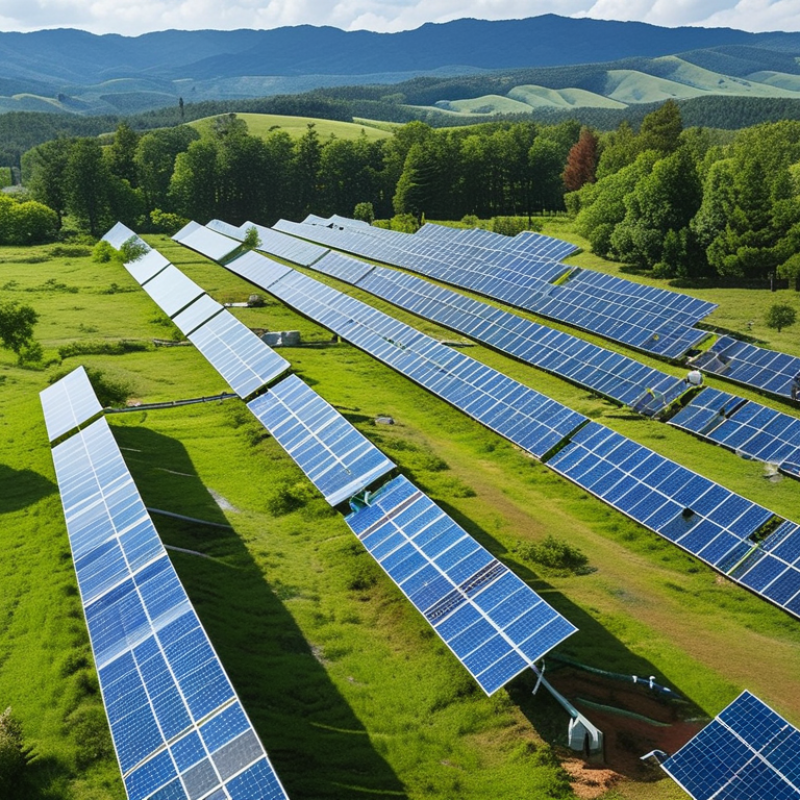
Top 10 Tips for Choosing Solar Installation Systems Guide?

Understanding Your Energy Needs for Solar Installation

Understanding your energy needs is crucial when considering solar installation. Start by assessing your current energy consumption. Look at past utility bills to get a clear picture of your monthly usage. This will help you determine how much energy you need from your solar system.

Next, consider factors like the number of appliances you use and their efficiency. Don’t overlook seasonal variations in your energy needs either. Homes may require more energy in winter and summer, depending on climate and air-conditioning use. A thorough analysis will guide you in choosing the right solar system size and type.

Evaluate your long-term energy goals. Are you looking to be energy-independent or reduce bills? Each goal may lead you to different system configurations. Think about potential energy-saving upgrades for your home. These can impact the effectiveness of your solar installation. Lastly, reflect on any uncertainties you may have. Engaging with experts can clarify your options and alleviate doubts.

Types of Solar Panels: Choosing the Right Technology

When selecting solar panels, understanding the different technologies is crucial. There are mainly three types: monocrystalline, polycrystalline, and thin-film. Each has unique characteristics that affect performance and efficiency. Monocrystalline panels are known for their high efficiency and longevity. They occupy less space but might come at a higher cost. In contrast, polycrystalline panels are generally cheaper. However, they have lower efficiency and take up more space. Thin-film panels are lightweight and flexible, offering versatility. Yet, they might not perform as well in low-light conditions.

Choosing the right technology depends on various factors. Your location's sunlight exposure, available space, and budget should influence your decision. Some homeowners prefer monocrystalline panels for their sleek design and efficiency, while others opt for polycrystalline to save on initial costs. Conducting a site assessment can help in identifying the best solution. It is also essential to think long-term. Lower efficiency panels may lead to higher electricity bills over time.

Often, homeowners feel overwhelmed by the options available. It’s not uncommon to feel frustrated when trying to select the best solar panel. Take time to research and consider expert advice. This can help in making an informed decision that suits your needs. In the end, ensuring that you choose a reliable technology will benefit you for years to come.

Evaluating Solar Inverters: Key Features to Consider

When evaluating solar inverters, consider efficiency and durability. Efficiency indicates how much sunlight is converted into usable energy. Look for models with high conversion rates to maximize output. Also, durability matters, especially in harsh weather conditions. An inverter should withstand extreme temperatures and humidity. Check for materials used in construction; robust housing can prolong its life significantly.

Another crucial factor is warranty and support. A longer warranty typically means a manufacturer’s confidence in their product. It can also save costs on replacements. Assess customer service options as well. Reliable support can help resolve issues quickly. Availability of service personnel is often overlooked but essential for long-term satisfaction.

Aesthetic design might influence your choice too. Inverters are often installed in visible areas. A sleek, modern design can enhance your property’s appearance. However, do not prioritize looks over performance. Balancing aesthetics with functionality is vital. Your final decision should combine reliable information and personal needs. Remember to seek reviews from real users. Such insights can reveal potential pitfalls.

Top 10 Tips for Choosing Solar Installation Systems Guide

Feature Description Importance Level
Efficiency Rating The percentage of sunlight converted into usable electricity. Higher ratings mean better performance. High
Warranty Period Duration of warranty for the inverter, significant for long-term investment protection. Medium
Types of Inverters String, micro, and power optimizers each have unique benefits and applications. High
Monitoring Capabilities Ability to monitor system performance in real time via apps or web interfaces. Medium
Temperature Coefficient Indicates how well the inverter performs at high temperatures. Lower is better. High
Installation Complexity How difficult the installation process is, affecting total installation costs. Medium
Safety Ratings Certification for safe operation under specific conditions, crucial for home safety. High
Grid Interaction Ability to work with grid systems, important for net metering and backup capabilities. High
Price Consider the cost in relation to features and performance to ensure value for money. High
Brand Reputation The perception of reliability and customer service by past users, important for trust. Medium

Cost Analysis: Budgeting for Your Solar Installation

When considering a solar installation, budgeting is crucial. The upfront costs can be daunting. However, a clear cost analysis can guide you through this process. Estimate your monthly electricity bills to determine how much you could save. Research local incentives that might reduce your expenses. This financial groundwork is essential.

Think about financing options, too. Loans and leases can make solar affordable. However, always read the fine print. Hidden fees can be a trap. Comparing multiple quotes helps ensure a fair price. Avoid settling for the first offer you receive.

Pay attention to the installation’s long-term costs. Maintenance should factor into your budget. Some systems require more upkeep than others. Ask about warranties and service plans; they can add value. Evaluating durability is important for a reliable investment. It’s wise to think beyond just the initial purchase.

Choosing a Reputable Installer: Important Qualifications and Reviews

Choosing a reputable solar installer is essential for a successful solar project. Start by verifying the installer’s qualifications. Look for licenses and certifications that show they have met industry standards. Experience matters too. An installer with several completed projects is likely to understand various installations and challenges.

Read reviews and customer feedback. This insight helps gauge reliability and service quality. Check third-party platforms for unbiased opinions. Be cautious of overly positive reviews that seem insincere. A few negative comments are normal but look for patterns of concern.

Ask about warranties and service commitments. A solid warranty demonstrates confidence in their work. An installer should provide maintenance support as well. Transparency in communication is crucial. Avoid those who seem evasive when discussing details. Trust your instincts; if something feels off, it may warrant further investigation.

FAQS

: How can I assess my energy needs before installing solar panels?

: Review past utility bills to understand your monthly energy usage. This helps in determining the required solar system size.

What factors should I consider regarding energy consumption?

Consider the number of appliances, their efficiency, and seasonal variations in energy needs, especially in winter and summer.

What are the types of solar panels available?

The main types are monocrystalline, polycrystalline, and thin-film. Each type has unique efficiency and space requirements.

What is the advantage of monocrystalline panels?

They are highly efficient and have a longer lifespan. However, they may come with a higher price tag.

Are polycrystalline panels a budget-friendly option?

Yes, they are generally cheaper but have lower efficiency and require more installation space compared to monocrystalline panels.

How do I choose the right solar panel technology?

Consider factors like sunlight exposure, available space, budget, and long-term energy goals when making a decision.

What should I look for in a solar installer?

Verify their qualifications, licenses, experience, and read customer reviews to assess their reliability and service quality.

How important are warranties from solar installers?

Warranties show confidence in their work. An installer should also offer maintenance support as part of their service.

What should I do if I feel overwhelmed by solar options?

Take time to research and consult experts for advice. This ensures you make an informed decision that meets your needs.

What red flags should I watch for when choosing an installer?

Be cautious of vague communication, overly positive reviews, or reluctance to discuss details; trust your instincts about any concerns.

Conclusion

When considering how to choose solar installation systems, it is essential to first understand your energy needs to ensure the system meets your household requirements. Evaluating the types of solar panels available will help you select the right technology tailored to your usage. Additionally, assessing solar inverters and their key features is critical to maximizing efficiency and performance.

Budgeting for your solar installation is another vital element, as it influences your choices significantly. This includes a thorough cost analysis to help manage expenses. Lastly, selecting a reputable installer is paramount; look for qualifications and customer reviews that will guide you in making an informed decision. By following these tips, you can successfully navigate the solar installation process and choose a system that aligns with your needs and expectations.

Aria

Aria

Aria is a dedicated marketing professional with a deep passion for innovative strategies and a keen understanding of our company's product offerings. With a wealth of experience in the industry, Aria excels at crafting engaging content that highlights the unique features and benefits of our......