HYBO Energy
Upgrading to a smart energy system is not just a matter of installing a new meter. It means helping a home or business measure, manage, and sometimes generate electricity more effectively. A smart meter can reveal when demand peaks; a programmable thermostat can adjust heating before rooms become uncomfortable. Solar panels, battery storage, and connected appliances may also play a role, depending on the building, budget, and local energy supply. Small details matter.
The International Energy Agency’s Executive Director, Fatih Birol, has used the phrase, “Energy efficiency is the first fuel.” It offers a useful starting point: reduce avoidable waste before investing in complex equipment. This guide to How To Upgrade To Smart Energy Systems introduces ten practical routes, from reviewing energy bills and checking insulation to comparing smart controls and planning for future upgrades. Each option has trade-offs. A battery, for example, may not suit every household, and connected devices can add setup and privacy concerns. Those limits deserve attention, not a sales pitch. A careful upgrade begins with real consumption data, clear priorities, and advice from qualified professionals where electrical work is involved. It may take more than one attempt to get the settings right. That is part of making a system work in everyday life.
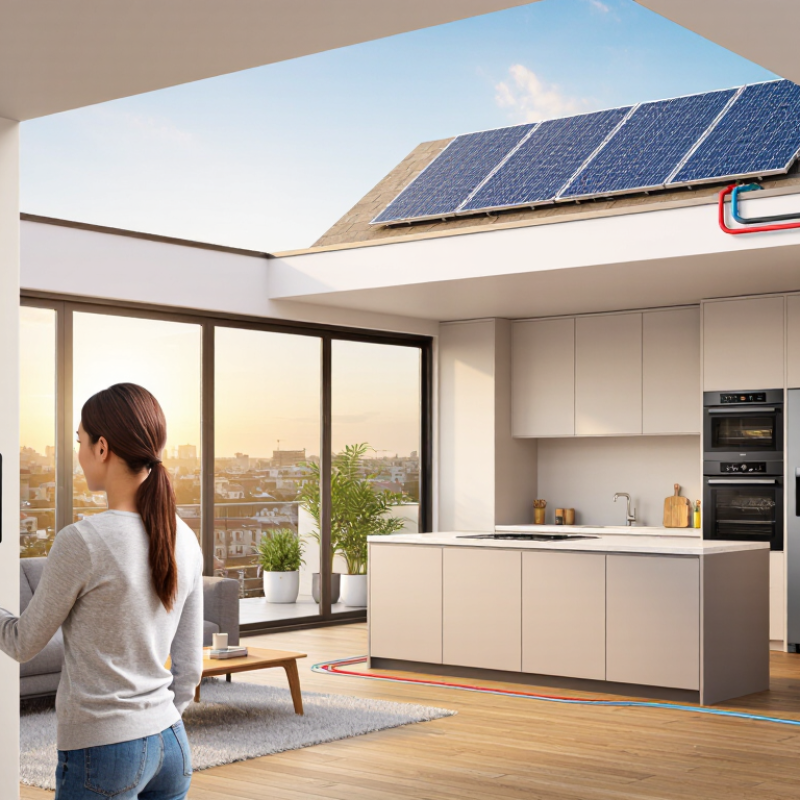
Assess current energy use before choosing smart controls or equipment. Gather 12 months of utility bills, interval-meter data, floor area, occupancy hours, and equipment schedules. Compare similar seasons; a cold winter can distort the baseline. Separate steady overnight loads from morning or afternoon peaks. A meter showing high use at 2 a.m. may point to ventilation or pumps running unnecessarily, but some operations genuinely need them. Verify before changing settings.
Tips: Photograph meter readings at consistent times, and note weather, occupancy, and unusual operating hours. Flag the largest loads, not just the easiest ones to fix.
The International Energy Agency’s Buildings 2023 report estimates that building operations account for 30% of global final energy consumption and 26% of energy-related emissions.
Use your own measurements to rank upgrades by likely savings, comfort, maintenance needs, and installation disruption. HVAC, water heating, and lighting often deserve close review, but local data should decide. Test one change, such as a revised schedule, and compare results against the baseline. The baseline will not be perfect; document gaps, especially where meters combine several systems.
Modernizing an electrical panel is more than adding a monitoring screen. Have a qualified electrician review panel capacity, breaker condition, grounding, and available spaces before adding connected loads. A 200-amp label alone does not prove every circuit is ready for an EV charger or heat pump. Older wiring, loose terminations, and crowded panels can undermine safe operation and reliable monitoring. Small details matter. Document circuit names and major loads before replacing equipment.
Metering should match what you want to learn. U.S. Energy Information Administration Form EIA-861 data reported about 119 million advanced meters in 2022. That scale makes smart metering familiar, but it does not guarantee circuit-level insight. A utility meter usually tracks whole-home use; it may not identify which circuit caused a spike. Pair it with panel-level monitoring when useful, then compare readings with utility bills. Data gaps happen.
Tips: Ask an electrician to verify load calculations and meter compatibility. Photograph panel labels; they are often unclear. Keep monitoring data for a few weeks before changing routines. A sensor can be wrong too.
Smart energy upgrades work best when controls, sensors, and efficient appliances share a clear goal: less waste without making rooms uncomfortable. A programmable thermostat can lower heating or cooling when rooms are empty, then restore comfort before people return. ENERGY STAR’s Smart Thermostats guidance reports average heating and cooling bill savings of about 8% for certified models, based on field data. Not magic. Place occupancy sensors in hallways or low-use rooms, away from pet paths and direct sunlight. Small details matter.
Appliance upgrades deserve the same scrutiny. Choose efficient models sized for actual use, and compare annual energy consumption rather than purchase price alone. The International Energy Agency estimates that buildings account for about 30% of global final energy use, making everyday operating choices consequential. Still, smart features can add complexity. Poor sensor placement and weak schedules can blunt savings. I would not automate every device; some routines are easier to manage manually. Check monthly utility use, then adjust one setting at a time.
Add smart controls, sensors, and efficient appliances to reduce household energy use.
These published benchmarks use different comparison baselines and are not additive. Actual savings depend on the home, equipment, climate, and usage. Sources: U.S. Department of Energy and ENERGY STAR.
Integrating renewable energy with battery storage can make a home’s power supply more flexible. Solar panels generate electricity during daylight, while a battery stores some excess energy for evening use. During cloudy weather, however, production may fall. Plan for that variation rather than assuming every day will be sunny. That matters.
Start by reviewing electricity bills and identifying when energy use peaks. A home with evening cooking, heating, or electric vehicle charging may need a different storage capacity than one with steady daytime use. Smart controls can shift flexible tasks, such as water heating, toward hours with stronger solar output. Small changes help.
Battery size should reflect essential loads, typical usage, and how much backup time you actually want. Oversizing can add cost without providing much practical benefit. Ask a qualified installer to assess the inverter, battery placement, ventilation, and safe electrical connections. Local conditions also affect system design. Compare estimated performance with real household data after installation, and adjust settings if the battery regularly fills too early or drains sooner than expected.
A smart energy system starts with reliable connections between meters, major equipment, and a central monitoring platform. Track electricity use in short intervals, then compare readings by room, machine, or operating schedule. The U.S. Energy Information Administration reported that advanced meters served about 72% of U.S. electricity customers in 2022. That baseline matters. Yet meters alone cannot explain why a building’s evening load suddenly rises.
Connect monitoring data to practical controls. Set alerts for unusual overnight consumption, coordinate heating and cooling schedules, and shift flexible equipment away from peak hours where possible. The International Energy Agency’s Electricity 2024 report projected global electricity demand growth of about 3.4% annually from 2024 to 2026. More demand makes visibility valuable. But optimization should reflect real operating needs, not chase every short-term dip.
A useful dashboard should show clear measures: kilowatt-hours, peak demand, and equipment status. Review them weekly, and check whether changes actually reduce consumption without disrupting comfort or production.
One caveat remains. Sensor gaps, incorrect schedules, and confusing dashboards can lead teams to trust misleading readings. Start with a small area, verify the data against meter readings, and adjust controls gradually. Perfect data is rare.
No. Ask a qualified electrician to check capacity, breakers, grounding, wiring, and available spaces. Labels can mislead.
It tracks total electricity use, but may not identify the circuit behind a sudden evening spike.
Compare them with utility bills and meter readings. Keep several weeks of data before changing routines. Data gaps happen.
Place them in hallways or rarely used rooms. Keep them away from direct sunlight and common pet paths.
It can lower heating or cooling while rooms are empty, then restore comfort before people return. Results vary.
Compare annual energy use and choose a size that fits real needs. Purchase price alone misses operating costs.
Show kilowatt-hours, peak demand, and equipment status. Review weekly, and confirm changes do not disrupt comfort or work.
Probably not. Some routines are simpler by hand, and weak schedules can waste energy. I would test one setting first.
How To Upgrade To Smart Energy Systems begins with understanding how energy is currently used and identifying the changes that can make the greatest difference. Reviewing consumption patterns, equipment condition, and household or building needs helps set practical priorities. From there, modernizing electrical panels, wiring, and metering can create a dependable foundation for smarter energy management. Adding connected controls, sensors, and efficient appliances makes it easier to adjust energy use in response to occupancy, schedules, and changing needs.
A complete upgrade may also include renewable energy and battery storage, planned to suit the property and its energy demands. Once the components are in place, connecting them through a monitoring system can provide a clear view of energy production and consumption. Regularly reviewing that information helps identify opportunities to reduce waste, improve efficiency, and refine settings over time. With careful planning and ongoing optimization, smart energy systems can support more informed, flexible, and efficient energy use.
