HYBO Energy
HYBO Energy
HYBO Energy
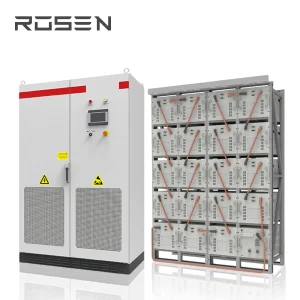
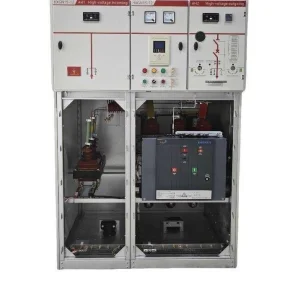
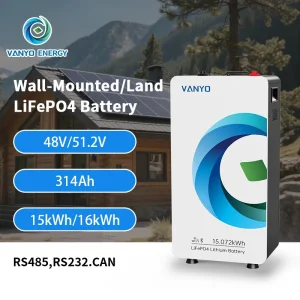
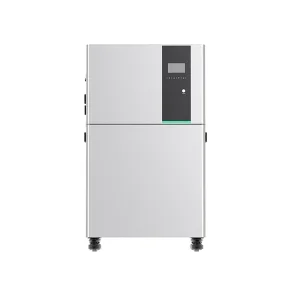
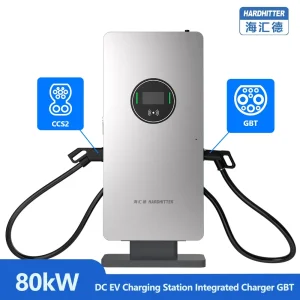
Our hardware ecosystem forms the backbone of HYBO's physical grid integration. Powered by custom BMS configurations and real-time operational software, these components are engineered for efficiency and grid stability.
Changzhou HYBO New Energy Co., Ltd. specializes in the production, design, manufacturing, and sales of lithium battery energy storage products. Starting from household energy storage, the company has dynamically expanded into small-scale industrial and commercial (C&I) installations as well as robust portable energy storage systems. Our technological focus is centered on the production of premium lithium-ion batteries coupled with integrated software management layers that maximize lifetime system value.
Energy storage products relying on the company's proprietary advanced battery management system (BMS) and its Self-developed patented technology, have passed TUV, IEC, CEC and other international certifications. Through continuous refinement of firmware and cloud software interfaces, HYBO guarantees that utility managers, factory owners, and residential consumers can monitor, balance, and discharge their stored energy safely and dynamically.
By blending deep materials science expertise with forward-thinking cloud telemetry, HYBO has built a reliable manufacturing ecosystem that matches top-tier physical security with highly flexible, scalable digital infrastructure. From thermal runaway protection to dynamic peak-shaving analytics, HYBO software leads the way in grid optimization.
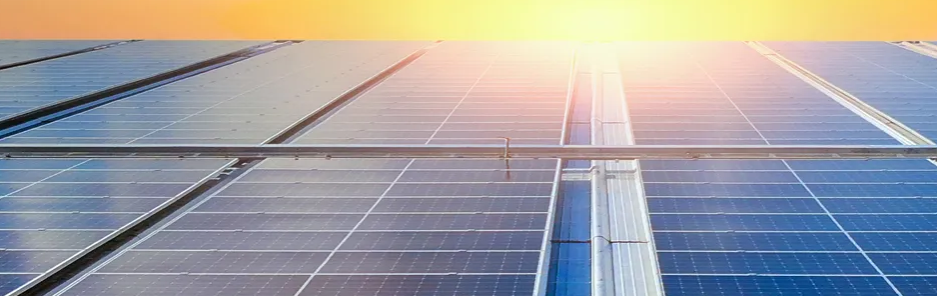
The global transition away from highly centralized fossil generation toward distributed energy resources (DERs) demands smarter control networks. Traditional power grids were designed for unidirectional flow—from centralized power plants down to end-users. With the integration of utility-scale solar PV, wind systems, and battery storage networks, modern grids must adapt to multidirectional power flows. Without intelligent software control platforms, balancing supply and demand in real-time becomes an insurmountable challenge.
This is where Energy Management Software (EMS) steps in. An EMS provides the critical overlay between physical battery banks, solar arrays, and the local utility connection. By continuously ingesting telemetry data—such as State of Charge (SOC), State of Health (SOH), cell temperatures, local weather patterns, and real-time utility tariff structures—an EMS automatically calculates the most economic operation strategy.
For industrial facilities, peak demand charges can represent up to 50% of monthly energy expenses. A highly responsive EMS operates on milliseconds-level latency, triggering battery discharge during periods of high localized usage (peak shaving) or shifting battery charging cycles to off-peak periods when grid power is cheaper (load shifting). This optimization is powered by predictive modeling, ensuring that industrial clients minimize their grid reliance while operating heavy machinery under optimized load profiles.
Global Export Markets
Smart BMS Current Rating
EMS Software Uptime
Safety Certified
The core competence of HYBO relies on our tightly coupled vertical integration between our hardware platforms and proprietary firmware. Modern energy storage is only as good as the software managing individual lithium cells. Our technical stack operates at three distinct operational levels, ensuring safety, telemetry accuracy, and high operational yield.
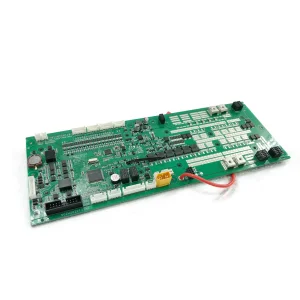
Operating directly on the cell controller cards, our BMS tracks current, voltage, and temperature across hundreds of individual lithium-iron phosphate (LiFePO4) cells. Incorporating a robust 200A operating limit, the hardware layer prevents overcharge, over-discharge, short circuit, and thermal runaway. Utilizing passive and active cell-balancing algorithms, our BMS maximizes usable energy capacity and extends battery lifecycle limits past 6,000 cycles.
Our localized energy management software integrates directly with RS485 Modbus-RTU, CAN bus, and TCP/IP protocols. By reading high-frequency telemetry from the BMS, the edge software decides how to manage localized power sources (such as hybrid solar inverters or floating PV grids). For instance, when a heavy load spikes, the edge controller adjusts system parameters in under 20 milliseconds to buffer the grid transition.
Connecting edge systems to our global cloud monitoring database, users can manage, analyze, and diagnose thousands of distributed battery installations remotely. Cloud dashboards offer historic energy consumption patterns, machine learning-driven health projections, and API connection ports for direct integration with wholesale grid markets.

HYBO’s solutions have been successfully deployed across the European Union, the United Kingdom, South Africa, Southeast Asia, Asia, Australia, New Zealand, Japan, and the Middle East. Exporting sophisticated software and high-voltage battery equipment requires a deep understanding of local regulatory standards and utility grid requirements.
For example, in the European Union, our systems comply with strict CE and EN standards governing grid-connected inverters and battery safety. In Australia, our residential line is registered on the Clean Energy Council (CEC) approved product list, qualifying home-owners for local virtual power plant (VPP) solar rebates. In regions with unstable grid access such as South Africa, HYBO software dynamically prioritizes load shedding protection, reserving back-up storage based on localized forecast reports.
Portable power stations make it possible to capture, store, and utilize clean electricity anywhere. Below are the core applications where our integrated hardware-software designs provide reliable power delivery.
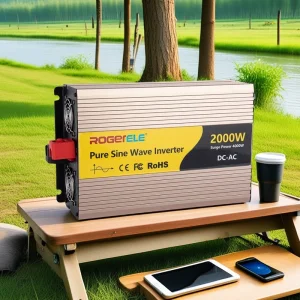
Before selecting your portable power station, compute the cumulative wattage of the electrical equipment you intend to run. Take note of the peak startup currents (especially for inductive motors found in pumps and refrigeration units). Match this data against the continuous rating of the system's pure sine-wave inverter. Furthermore, determine your estimated charging window based on available solar irradiance to size your photo-voltaic array correctly. Our team is available to help design optimized micro-grid pairings for any environment.
As smart energy technologies advance, HYBO is focusing on integrating machine learning and predictive dispatch interfaces directly into our hardware platforms. Over the next five years, our technological milestones will focus on three key areas:
| Milestone Area | Technology Focus | Projected Outcome |
|---|---|---|
| Cell Chemistry Integration | Advanced Solid-State & Sodium-Ion Battery interfaces. | Higher energy density, reduced safety risks, and low-temperature operation. |
| AI Optimization | Weather forecasting, utility dynamic tariff APIs. | Automated peak shaving scheduling and optimized local solar consumption. |
| Bidirectional Power (V2G) | ISO 15118 protocol support for electric vehicle integration. | Allows electric vehicle battery integration into the home microgrid ecosystem. |
Get answers to the most common technical questions about our battery management systems, installation guidelines, and export certifications.
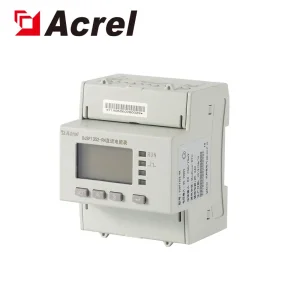
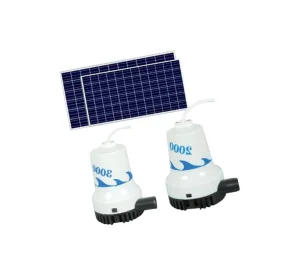
Discover our broad selection of technical hardware, featuring high-capacity commercial lithium setups, advanced testing machinery, dynamic DC monitoring devices, and off-grid living kits.